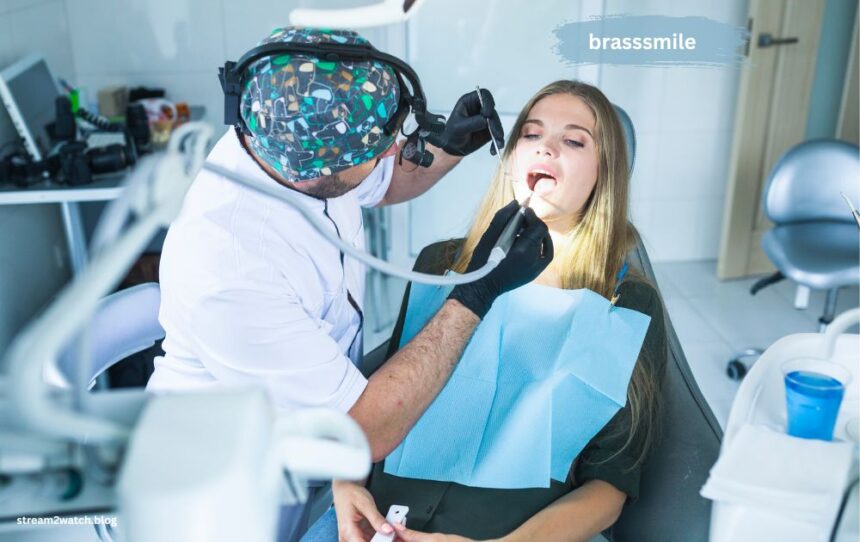
A healthy smile is an important part of everyday confidence, comfort, and overall well being. brasssmile can be understood as a guide oriented term connected with oral health, smile care, and modern approaches to maintaining teeth and gums. Good dental habits involve more than simply brushing twice a day. This guide explains practical ways to protect your smile, understand common oral care practices, and make informed choices about modern dental care.
What is brasssmile?
brasssmile is a broad term that can be used in the context of smile care, oral hygiene, and modern dental awareness. Rather than treating oral health as an occasional concern, it encourages people to pay attention to daily habits, dental checkups, and the appearance and comfort of their teeth. For general readers, the concept is useful because maintaining a healthy smile combines prevention, professional care, and consistent personal hygiene.
Why Oral Health Matters
Oral health affects daily activities such as eating, speaking, and smiling, while poor dental hygiene can contribute to problems such as cavities, gum disease, bad breath, and tooth sensitivity. The mouth also requires regular attention because plaque can accumulate when teeth are not cleaned properly. A practical oral-care routine helps reduce preventable problems and supports healthier teeth and gums throughout life.
Building a Strong Daily Dental Routine
A consistent routine is one of the simplest ways to support long-term oral health. Brushing, cleaning between the teeth, limiting frequent sugary foods, and paying attention to changes in the mouth can all contribute to better dental hygiene. The goal is not complicated treatment but regular prevention that becomes part of everyday life.
Brush Your Teeth Properly
Brushing removes plaque and food particles from tooth surfaces and should be performed carefully rather than aggressively. Use a soft bristled toothbrush and fluoride toothpaste, brushing all accessible surfaces with gentle movements. Reaching the front, back, and chewing surfaces helps create a more complete routine and reduces areas where plaque can remain.
Clean Between Your Teeth
A toothbrush cannot effectively clean every space between teeth, making interdental cleaning an important part of oral hygiene. Dental floss, interdental brushes, or other suitable cleaning tools can help remove debris and plaque from these areas. Choosing a method that fits your teeth and using it consistently can make daily cleaning more effective.
Protect Your Gums
Healthy gums should not be overlooked when focusing on a brighter smile because they provide essential support for the teeth. Gentle brushing along the gum line and regular interdental cleaning can help control plaque buildup. Persistent swelling, bleeding, tenderness, or changes in the gums should be discussed with a dental professional rather than ignored.
Foods That Support a Healthy Smile
Diet plays an important role in dental health because frequently consuming sugary or acidic foods and drinks can increase the risk of tooth problems. A balanced diet with nutritious foods can support overall health while reducing unnecessary exposure to ingredients that may damage enamel. Drinking water regularly can also help wash away food particles and support a healthier oral environment.
- Water: Helps rinse the mouth and is a better everyday choice than sugary beverages.
- Crunchy vegetables: Foods such as carrots and celery can be useful additions to a balanced diet.
- Dairy products: Milk, cheese, and yogurt provide nutrients such as calcium that support teeth and bones.
- Fruits: Whole fruits can be part of a healthy diet, although frequent acidic exposure should still be considered.
- Sugary snacks: Keeping sugary foods and drinks occasional can help reduce cavity risk.
Understanding Smile Appearance
A healthy smile does not have to look perfectly uniform or extremely white. Natural teeth can vary in shade, shape, and alignment, and appearance can change over time because of diet, age, habits, and dental conditions. Smile care should therefore focus first on healthy teeth and gums, while cosmetic choices can be considered separately when someone wants to improve particular aesthetic concerns.
Modern Teeth Whitening Options
Professional and at-home whitening products can help reduce certain types of tooth discoloration, but results depend on the cause of the staining. Surface stains may respond differently from discoloration inside the tooth, and existing dental restorations generally do not whiten like natural enamel. Anyone considering whitening should understand the product instructions and consider professional dental advice when sensitivity or existing dental problems are present.
Dental Checkups and Professional Care
Regular dental visits can help identify problems before they become more complicated or uncomfortable. During a professional examination, a dentist may evaluate the teeth, gums, bite, and other areas of the mouth while recommending appropriate preventive care. The ideal frequency of visits can vary depending on individual oral-health needs, so patients should follow the schedule recommended by their dental professional.
Common Oral Health Problems to Watch
Recognizing warning signs can help people seek appropriate care instead of allowing a minor issue to develop into a larger problem. Some dental conditions may initially cause little or no discomfort, which is another reason routine examinations matter
- Tooth sensitivity: Discomfort from hot, cold, sweet, or acidic foods may have several possible causes.
- Bleeding gums: Frequent bleeding can indicate gum irritation or another dental concern.
- Toothache: Persistent or severe pain should be evaluated by a dental professional.
- Bad breath: Ongoing unpleasant breath can sometimes be associated with oral-health problems.
- Loose teeth: Adult teeth becoming loose should receive prompt dental attention.
BrassSmile and Preventive Smile Care
The practical value of brasssmile lies in approaching smile care as an ongoing process rather than relying only on cosmetic fixes. Prevention includes daily cleaning, sensible food choices, regular dental examinations, and early attention to unusual symptoms. This approach can help general readers understand that a confident smile is supported by healthy habits and professional guidance when necessary.
Choosing the Right Dental Products
Not every oral-care product is equally appropriate for every person, so product selection should be based on individual needs rather than advertising claims alone. Fluoride toothpaste is widely used for cavity prevention, while toothbrushes, flossing tools, mouth rinses, and other products can serve different purposes. People with sensitivity, orthodontic appliances, gum problems, or other specific concerns may benefit from asking a dentist which products are most suitable.
Habits That Can Harm Your Smile
Some everyday behaviors can gradually increase the risk of tooth damage, staining, or gum problems. Using teeth to open packages, chewing hard objects, and smoking, frequently consuming sugary drinks, and neglecting dental appointments can all work against good oral health. Replacing harmful habits with practical alternatives is often easier and more effective than waiting until significant dental damage occurs.
Smile Care for Different Ages
Oral-care needs change throughout life, so a routine that works for one age group may require adjustments for another. Children need help developing consistent brushing habits, adults often need to manage lifestyle-related dental risks, and older adults may experience changes involving dry mouth, medications, gums, or existing dental work. Personalized professional guidance becomes particularly useful when oral-health needs become more complex.
When to See a Dentist
Certain symptoms should not be managed solely through home care, particularly when they are severe, persistent, or worsening. A dentist can determine whether pain, swelling, sensitivity, bleeding, or visible tooth damage requires treatment. Seeking professional attention early may help prevent a condition from becoming more difficult, expensive, or uncomfortable to manage.
Simple Ways to Improve Your Smile Every Day
Small improvements can make an oral-care routine easier to maintain without requiring major lifestyle changes. Instead of attempting an unrealistic routine, focus on habits that can be performed consistently and correctly. These practical steps can support both dental health and confidence over time.
- Brush twice daily with fluoride toothpaste.
- Drink water throughout the day.
- Reduce frequent sugary snacks and drinks.
- Replace worn toothbrushes or brush heads.
- Avoid using teeth as tools.
Benefits of a Consistent Smile Care Routine
Consistent oral hygiene can provide several practical benefits that extend beyond appearance. Keeping plaque under control supports healthier teeth and gums, while preventive habits may reduce the likelihood of certain common dental problems. A well-maintained routine can also make professional dental care more predictable because potential concerns are more likely to be noticed early.
Conclusion
A healthy smile depends on consistent care, sensible lifestyle choices, and appropriate professional dental support. brasssmile provides a useful way to think about oral hygiene, smile maintenance, and modern dental awareness as connected parts of everyday wellness. Brushing properly, cleaning between teeth, choosing foods wisely, and recognizing warning signs are practical steps anyone can follow. When concerns arise, professional dental advice remains the safest way to determine the right treatment.
FAQs about brasssmile
What is brasssmile? BrassSmile is a guide to oral health, dental hygiene, and smile care.
How can I keep my smile healthy? Brush twice daily, floss regularly, eat well, and visit your dentist.
Is teeth whitening safe? Teeth whitening is generally safe when used correctly and as directed.
How often should I visit a dentist? Visit your dentist as often as recommended for your oral-health needs.
What foods are good for teeth? Dairy products, vegetables, fruits, and water can support healthy teeth.